
Opinion: This is commentary from Mark Warrick. Facts come from NVIDIA’s announcements and the news reports linked below. The interpretations are his alone.
Eleven days
Jensen Huang resigned as NVIDIA’s CEO on November 12. The board brought him back on November 23. Eleven days is not a leadership transition. It is a stress test, and the results came back fast.
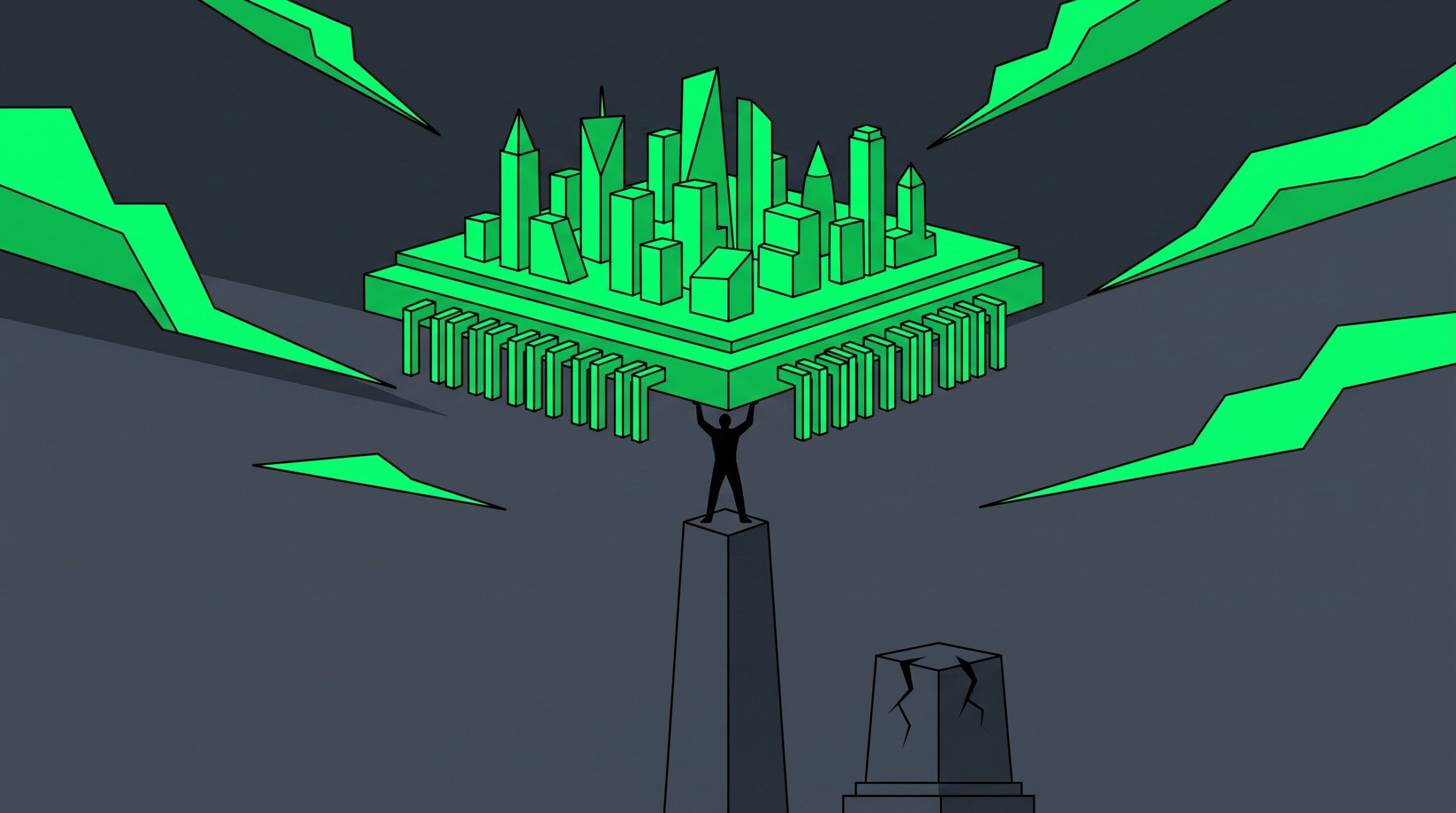
The official reason for the reversal is a national security review. My read is simpler. Once the board said, in effect, “we’ve got this,” it spent eleven days watching the market, its partners and Washington say otherwise. The board didn’t just clear Jensen. It conceded that NVIDIA’s future, as the world prices it, runs through one man.
What actually happened
On November 12, NVIDIA announced that Huang had resigned as President, CEO and director, effective immediately. The release gave no reason. CFO Colette Kress agreed to serve as interim CEO while keeping her finance role, and Harvey C. Jones became the company’s first-ever Board Chair.
The reason came out through reporting, not the press release. Huang stepped down over an affair with a woman U.S. intelligence agencies suspect of spying for China.
On November 23, the board reinstated him by unanimous vote. It cited his candor and ability to lead, and said input from senior levels of the U.S. government showed his return poses no national security risk. Kress goes back to being CFO. An independent committee’s investigation into the foreign intelligence effort continues, and the board added a new National Security and Export Control Committee.
The “we’ve got this” moment
The board’s first message was continuity. Jones said the board had “full confidence in Colette and the leadership team” and expected operations, customer commitments and the product roadmap to continue without interruption. Kress said NVIDIA’s strength has always come from its people.
That is the right thing to say on day one. It is also a bet that the institution is bigger than its founder.
The market took the other side of that bet. Reporting described the departure as sending Wall Street tumbling and stoking fears for an economy leaning hard on the AI investment boom. A company can promise an uninterrupted roadmap. It cannot promise that customers, investors and governments will believe the roadmap means the same thing without the person who drew it.
Why the board blinked
The clearest verdict came on reinstatement day. NVIDIA shares jumped roughly 26 to 30 percent on the news, and the Nasdaq rose more than five percent. Markets rarely say “this one person matters” more loudly than that.
Three pressures pointed the same way:
-
The market. A company whose valuation swings by a quarter on one name is telling its board where it thinks the value lives.
-
Washington. The board said it acted after input from senior levels of the U.S. government, and President Trump had publicly urged NVIDIA to bring Huang back.
-
The ecosystem. NVIDIA sells into hyperscalers, AI labs and governments that bought into a strategy Huang has personally sold for years. When he returned, OpenAI’s Sam Altman greeted the news with a one-word post: “Jensen!”
The point isn’t that Kress or the team couldn’t run the company. It’s that NVIDIA’s story, the CUDA moat and the bet on accelerated computing, has been told in one voice for 33 years. Remove the narrator and everyone starts asking whether the story changed.
The fair counterpoints
To be fair, the board’s stated reason isn’t market pressure. It says it was satisfied with Huang’s candor and received government input that his return poses no national security risk. If the security question had stayed open, no stock move would have justified bringing him back.
Kress also deserves more than a footnote. She took the job on no notice, kept the CFO seat and stepped in with a quarterly earnings report days away.
And this isn’t over. The independent investigation into the foreign intelligence effort is still running, and the board is hiring a new Chief Compliance Officer. A reinstatement that looks like a win today could look different when that report lands.
What every leadership team should take from this
NVIDIA is an extreme case, but the pattern is common. Plenty of companies run on one person’s vision, relationships and judgment, and only find out how much so when that person is suddenly gone.
A few lessons travel well:
-
Key-person risk is a real risk. If a single departure can move your value by a quarter or shift goals greatly, it belongs in the risk register, not just the org chart.
-
Succession is more than a name. Having an interim leader on paper is not the same as having a strategy others believe without its author.
-
Write the vision down. Strategy that lives in one person’s head leaves when they do. Strategy that lives in documents, teams and decision rights stays.
-
Confidence is earned, not announced. “Full confidence” is a press-release phrase. Customers, employees and investors decide whether to share it.
This applies just as much to AI programs inside ordinary companies. If one champion is the only person who understands the roadmap, the program has a single point of failure.
In my opinion, the real verdict
On November 12, NVIDIA’s board said, in effect, “we’ve got this.” By November 23, it had heard the answer from Wall Street, Washington and its own partners.
The press release says Jensen is the right person to lead NVIDIA. The eleven days in between said something harder: right now, nobody else is.